Building an Ethical Future: AI in Education at the University of Gujrat
Artificial Intelligence (AI) is no longer just a futuristic concept- it is here in our classrooms, research, and everyday learning. From AI-powered writing assistants to intelligent learning platforms, these tools are reshaping how students study and how teachers teach. But with this rapid change comes an important question: How do we use AI responsibly and ethically in education?
At the University of Gujrat, we recently took the first step toward answering this question. A survey was conducted with almost 300 students and 20 faculty members, focusing on their views about AI in higher education. The purpose was simple yet crucial: to understand how AI is being used and to explore the need for ethical guidelines that can protect academic integrity while encouraging innovation.
What We Learned
The findings were clear. Both students and faculty members see the benefits of AI, but they also worry about its misuse.
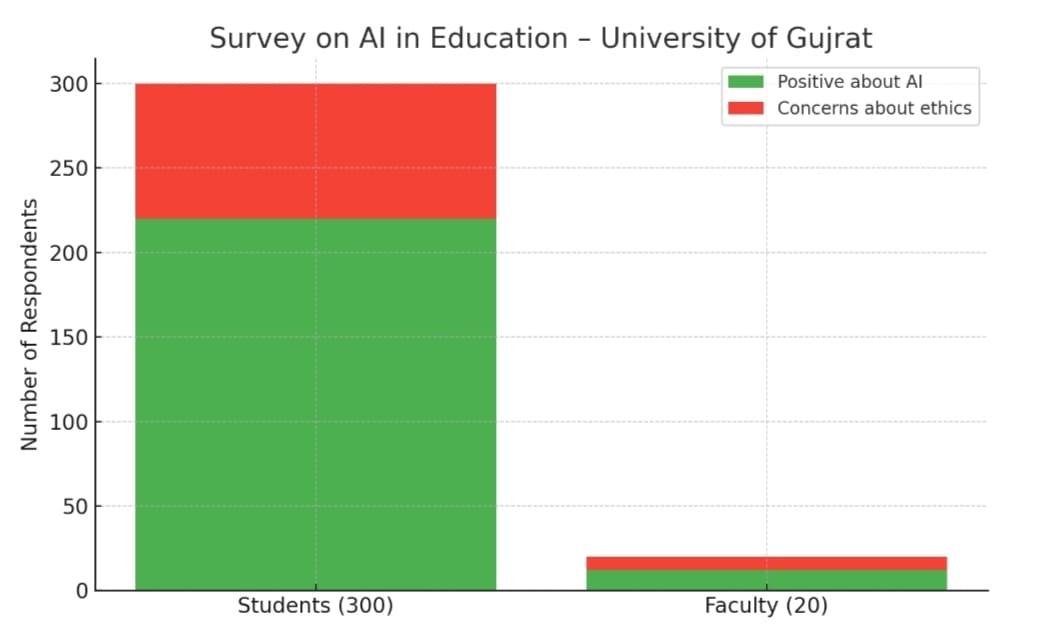
Fig 1: Students and faculty are generally positive about AI, but concerns about ethics remain significant.
Students shared excitement about AI as a learning companion but expressed concerns about over-dependence and fairness.
Faculty members raised issues about plagiarism, bias in AI systems, and the absence of institutional policies.
Together, these voices highlighted one strong message: our university needs a well-defined ethical framework for AI use in higher education.
Why an Ethical Framework Matters
An ethical framework will help us create a balanced approach to AI, ensuring that it strengthens- not weakens- our educational values. Such a framework can:
- •Safeguard academic integrity by setting clear boundaries for AI-assisted work.
- •Promote fairness and equity by addressing potential biases in AI systems.
- •Protect student data and privacy from misuse.
- •Ensure transparency in AI-driven decisions, such as automated grading or recommendations.
- •Encourage students to use AI to support creativity and critical thinking, not as a shortcut.
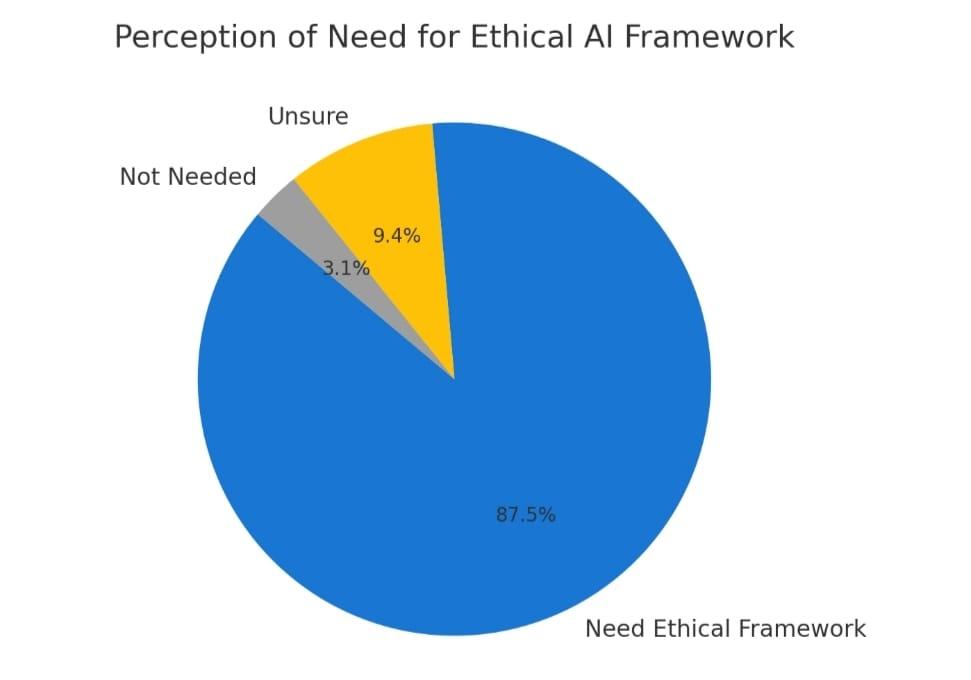
Fig 2: Majority of respondents believe an ethical framework is urgently needed.
Looking Ahead
This survey is only the first step. The University of Gujrat is committed to engaging students, faculty, and governing bodies in shaping a comprehensive AI ethics framework. Our goal is to make sure AI serves as a tool for learning, innovation, and empowerment, while preserving the values that define higher education.
By working together, we can build a future where technology and ethics move hand in hand- ensuring that AI helps us learn better, think deeper, and achieve more responsibly.
University of Gujrat Research Team
Conducting research on AI ethics and its impact on higher education.